
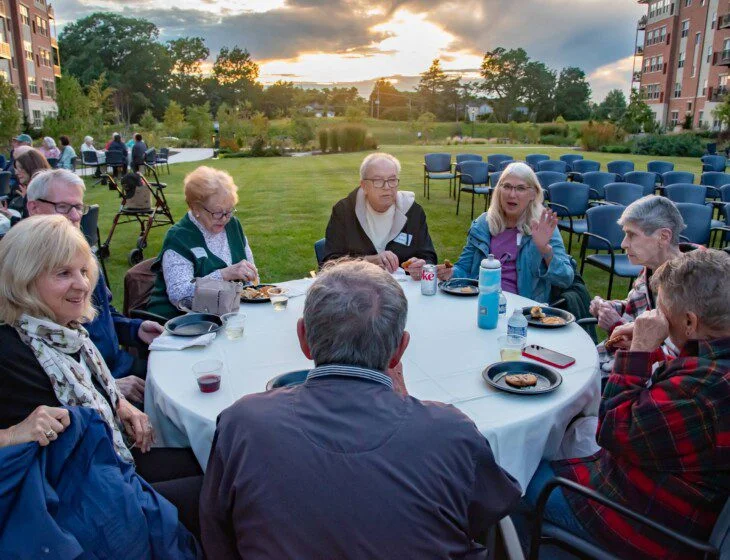
Gerontologists who study what separates thriving older adults from those who might struggle often point to something deceptively simple: the people who do best tend to have other people around them, regularly. Not necessarily in large numbers or in highly structured settings—just present, familiar, and engaged in shared life.
That finding has accumulated into one of the most consistent conclusions in aging research. The CDC identifies social isolation and loneliness as significant risk factors for dementia, heart disease, stroke, and depression in older adults, while those who maintain strong, consistent social ties show markedly better outcomes across nearly every health measure. The protective effect of human connection on how we age is, at this point, one of the field's most well-established conclusions.
The question that follows is a practical one: what kind of daily life actually delivers that connection, reliably and without requiring constant effort? For a growing number of older adults in the Chicago suburbs, the answer is Oak Trace in Downers Grove—a community where belonging has been the organizing principle from the very beginning.
Key Takeaways:
- Regular social connection is among the most documented contributors to cognitive health, physical well-being, and longevity in older adults.
- Community living recreates the social infrastructure that tends to erode after major life transitions like retirement or the loss of a spouse.
- At Oak Trace, a village-like setting, 40+ resident-led clubs, and a warm, faith-forward community spirit make daily connections feel natural and sustaining.
What Changes—and What Community Living Restores
For most of adult life, social contact arrives without much deliberate effort. Work, neighborhood ties, family routines, and civic involvement all generate a steady backdrop of human presence. It doesn't feel like infrastructure—it just feels like life. But when those structures shift, as they inevitably do, the contact often shifts with them.
The National Institute on Aging identifies retirement, the loss of a spouse, and reduced mobility as among the most common contributors to decreased social engagement for older adults—not because the desire for connection diminishes, but because the occasions for it do. A house that once felt full of purpose and presence can begin to feel a great deal quieter. And without something that deliberately replaces those occasions, weeks can pass with far less human contact than anyone anticipated or wanted.
Community living is the most direct structural answer to that shift. When your home is embedded in a larger social world—one with shared spaces, shared meals, and a calendar of programs and activities that give people recurring reasons to show up—contact stops being something you have to arrange and starts being something that simply happens.
A Village Within a Village
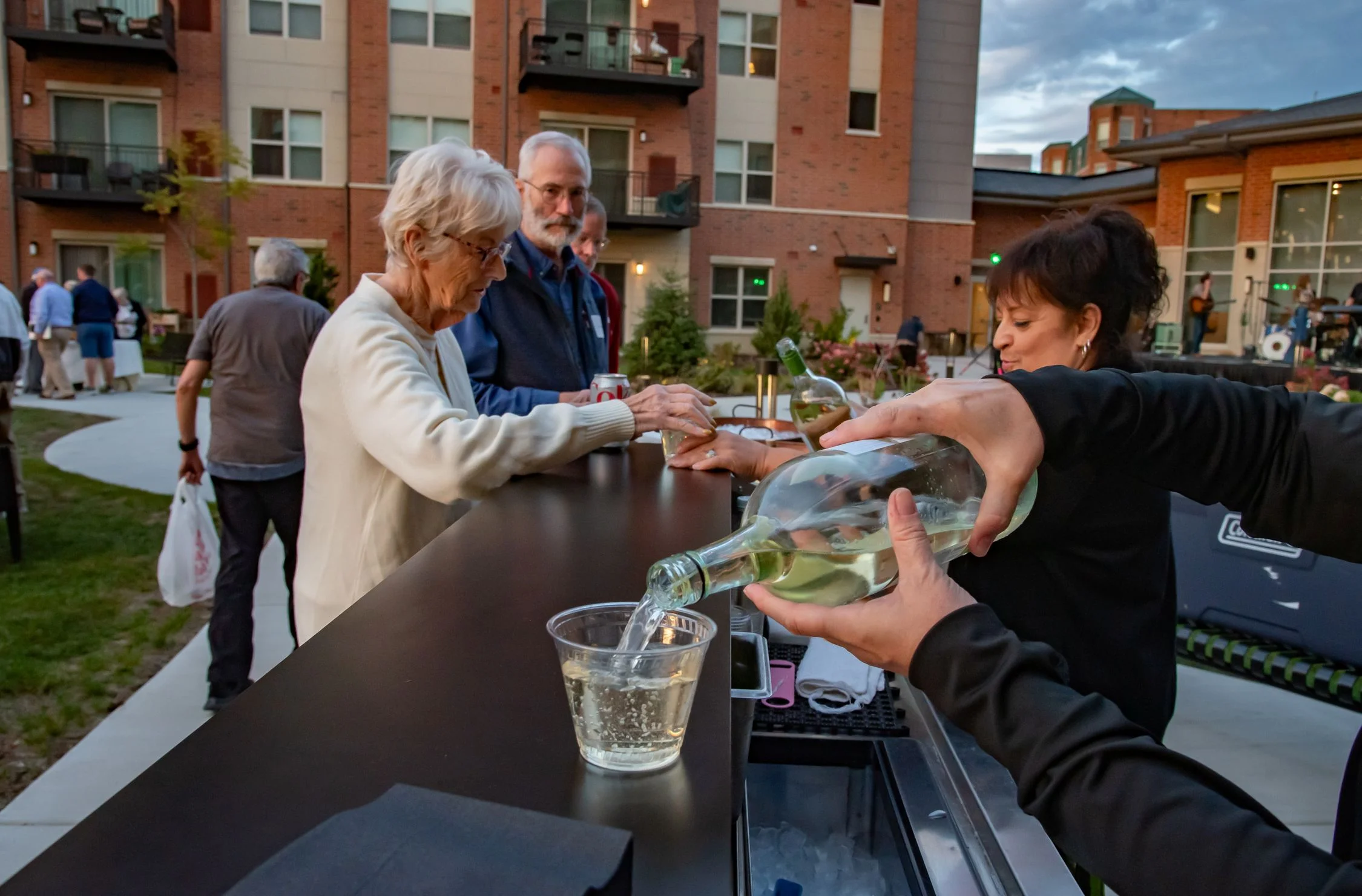
Oak Trace’s village-like qualities—walkable, warm, and organized around the kind of daily interaction that builds real familiarity over time—are part of what makes the community such an effective antidote to the isolation.
More than 40 resident-led clubs mean there's almost always something happening. The fitness center, art studio, woodworking shop, auditorium, library, and billiards and card rooms all serve as natural gathering points throughout the week—spaces where showing up for one thing reliably leads to connecting with someone. Indoor and outdoor walking paths, along with dining venues where chef-prepared meals become daily social occasions, extend those opportunities from morning through evening.
Peer-reviewed research confirms that even low-intensity, repeated social contact—familiar faces at meals, brief exchanges on a walking path, a weekly return to a shared hobby—carries measurable cognitive and emotional benefits for older adults. The consistency of that contact over time is what makes the difference. Oak Trace makes that consistency feel entirely effortless.
The Spirit That Makes It Work
Survey data from U.S. News & World Report shows that senior living residents report significantly higher rates of daily social engagement and overall well-being than older adults living independently at home—and the communities that produce the strongest results tend to have something beyond good programming. They have a spirit that residents carry forward together.
At Oak Trace, that spirit is grounded in faith, family, and a forward-looking outlook that residents bring to everything from club meetings to mealtimes to the way they welcome someone new. It's a community where people look out for one another as a matter of course—where the warmth isn't incidental but has been built steadily over the years by the people who call this place home.
A 2025 Forbes analysis on senior living and loneliness found that relationship quality within a community is the strongest predictor of well-being outcomes for older adults. At Oak Trace, that quality is self-reinforcing—residents who arrived looking for community found it, stayed, and became the reason the next person finds it too.
Find Your People at Oak Trace
Explore life at Oak Trace in Downers Grove and see what it looks like to live somewhere belonging is built into the day, your neighbors become your people, and staying connected never requires a second thought. Contact us to schedule a tour or speak with our team.